
Consumer Electronics Inspection
Consumer electronics quality inspection ensures that devices such as smartphones, tablets, headphones, Bluetooth speakers, power banks, chargers, wearables, and smart home devices meet quality, safety, and performance standards before they reach end consumers. As a focused electronic inspection service, we verify every unit against your specification and the relevant electrical-safety and EMC regulations.
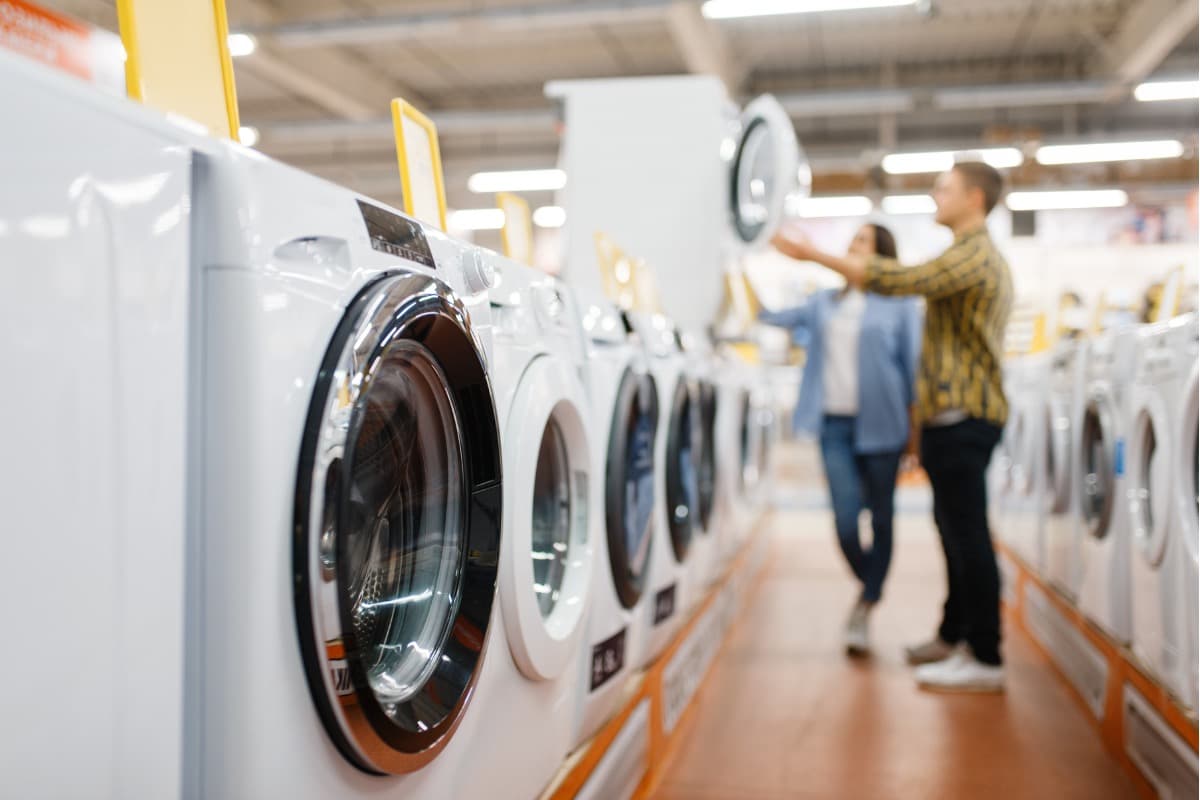
Key Inspection Checks for Consumer Electronics Inspection
Functional testing — all features and modes of operation
Screen and display quality — dead pixels, uniformity, touch response
Battery performance and charging functionality
Wireless connectivity — Bluetooth, Wi-Fi, NFC pairing and range
Audio quality — speakers, microphones, headphone jacks
Electrical safety — insulation, grounding, overcharge protection
Cosmetic inspection — housing quality, finish, button alignment
Packaging, accessories completeness, and manual accuracy
Our inspectors conduct thorough functional testing, cosmetic evaluation, electrical safety verification, and connectivity testing. We check screen quality, battery performance, wireless connectivity, audio output, button responsiveness, and software functionality. Every defect is classified and documented with photographic evidence.
With rapidly evolving technology and strict market-entry requirements, our inspection services help you maintain quality consistency and comply with electrical safety, EMC, and environmental regulations across global markets.
What We See in Electronics: Insights From the Factory Floor
Functional defects dominate our findings in consumer electronics — software bugs, Bluetooth/Wi-Fi pairing failures, and dead pixels together account for approximately 40% of all major defects. Cosmetic issues (housing scratches, misaligned buttons, uneven screen gaps) make up another 35%, with the remainder split between packaging errors, accessory omissions, and labeling discrepancies. Battery-related issues, while less frequent at around 8%, carry the highest safety severity and are always classified as critical.
Electrostatic discharge (ESD) damage during assembly is a persistent risk in electronics manufacturing. Factories without proper ESD controls (grounding straps, anti-static mats, humidity management) show defect rates 2–3x higher than compliant facilities. Our factory audits evaluate ESD protocols as a standard checkpoint, because prevention at the assembly line is far more cost-effective than catching failures at final inspection.
Regulatory compliance is the gatekeeper for every export market. FCC Part 15 certification is mandatory for any electronic device sold in the United States, while CE marking is required for the European market. For products containing lithium batteries, IEC 62133 and UN 38.3 testing documentation must be verified before shipment. For the EU market, RoHS compliance is equally mandatory — products must stay below strict limits for lead, cadmium, mercury and other restricted substances. Our inspectors cross-reference certification marks on products and packaging against declared test reports to ensure authentic compliance. Importers shipping powered household products alongside electronics often pair this with our home appliance quality control service for complete electrical-safety coverage, and buyers sourcing renewable-energy hardware extend the same rigor through our solar panel inspection service.
Our consumer electronics inspection services are available through pre-shipment inspection, during production inspection, factory audit. We cover major manufacturing regions including China, Vietnam, South Korea, quality control in Taiwan, and — for semiconductors and E&E products out of Penang and the Klang Valley — quality control in Malaysia, and — for hard disk drives and electronic components out of the Eastern Seaboard — inspection services in Thailand, plus 30+ other countries.
Consumer Electronics Inspection Industry Standards
Why Quality Control Matters for Consumer Electronics Inspection
Products in the consumer electronics inspection category face rigorous quality expectations from consumers, retailers, and regulatory authorities. Defects that escape the factory can result in product returns, negative reviews, safety recalls, and significant financial losses. For brands importing from overseas manufacturers, third-party quality control inspections are the most effective way to verify product quality before committing to shipment.
Tetra Inspection provides specialized inspection services for consumer electronics inspection, including pre-shipment inspection, during production inspection, factory audit. Our inspectors are trained in the specific quality criteria, defect patterns, and compliance requirements relevant to this industry. Each inspection follows AQL sampling standards (ISO 2859-1), with defects classified as critical, major, or minor based on your quality tolerances.
Compliance with applicable standards — such as ISO 2859-1 (AQL), IEC 62133, EN 62368-1, FCC Part 15 — is verified during every inspection. Our detailed photo-documented reports, delivered within 24 hours, provide the evidence you need to make informed accept-or-reject decisions, negotiate corrective actions with suppliers, and maintain a documented quality history across your supply chain.
Need Inspection for Consumer Electronics Inspection?
Starting from $240/man-day · 48-hour scheduling
Free, no-obligation quote · We respond within 4 hours · Your details stay private
Consumer Electronics Inspection — Frequently Asked Questions
What tests are performed during a consumer electronics inspection?
Inspectors conduct full functional testing (all features and modes), screen quality checks (dead pixels, touch response), battery charging and discharge tests, wireless connectivity verification (Bluetooth, Wi-Fi, NFC), audio quality assessment, and cosmetic evaluation of housing and finish quality.
How are safety certifications verified for electronics?
Inspectors verify that certification marks (CE, FCC, UL) on the product and packaging match the declared certificates. They cross-reference certificate numbers with issuing bodies, check that the tested model number matches the production model, and verify compliance markings are correctly printed and positioned.
What is the typical defect rate for consumer electronics?
Defect rates vary by product complexity and manufacturer capability, but commonly range from 2–8% for mass-produced electronics. Functional defects (software bugs, connectivity issues) account for about 40% of failures, while cosmetic defects (scratches, misaligned buttons) make up the remaining 60%.
How do you test battery safety in electronic products?
Battery safety is verified through visual inspection of cell quality, verification of UN 38.3 test report documentation, charge-discharge cycle testing, and overcharge protection circuit verification. Inspectors also check for proper battery warning labels and that battery compartments meet IEC 62133 requirements.
Can you inspect smart home devices and IoT products?
Yes, we inspect smart speakers, security cameras, smart plugs, wearables, and other IoT devices. In addition to standard electronics checks, we test app connectivity, firmware update functionality, Wi-Fi/Bluetooth pairing reliability, and voice command responsiveness where applicable.
Recommended Services for Consumer Electronics Inspection
Related Industries
Latest Articles
Consumer Product Compliance: 7 Common Issues, Examples & Regulations
What is consumer product compliance? Learn the 7 most common product compliance issues with real examples, the key regulations (REACH, RoHS, CPSIA, CE, SASO) every importer must meet, and a practical process to prevent costly recalls.
Read full article: Consumer Product Compliance: 7 Common Issues, Examples & RegulationsNeed Inspection for Consumer Electronics Inspection?
Get a quote in minutes. Our inspectors are ready worldwide.